 Ryan Martinson4 min read
How Much do I Need to Buy a House?
We'll help you break down the math of homebuying.

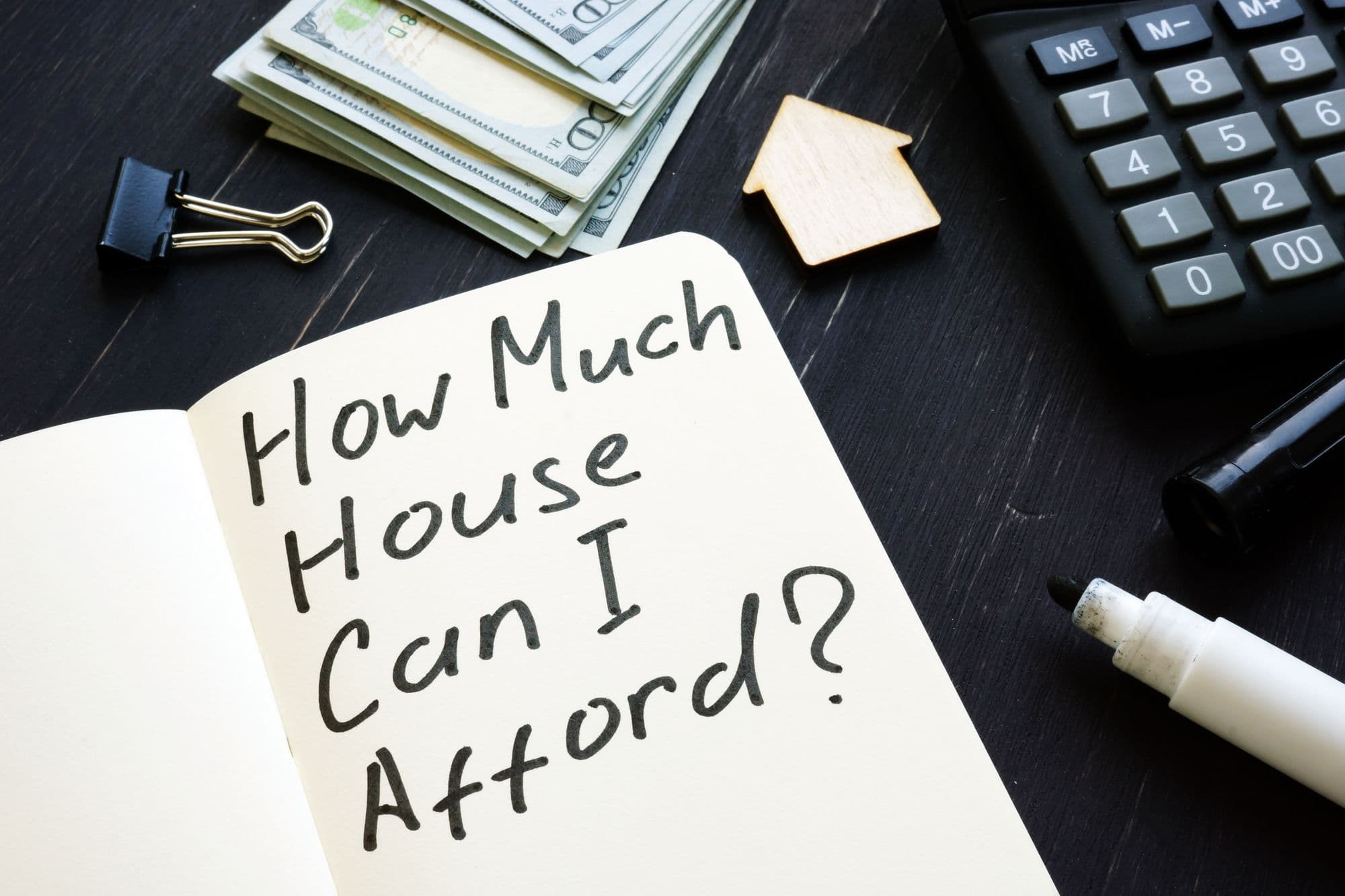
Buying a home is often referred to as the largest investment you’ll ever make. While that is certainly debatable, purchasing a house is a monumental resource commitment. So how much do you need to do it?
Knowing how much to save before you buy a home is often a cloud hanging over the heads of soon to be first-time homeowners. No doubt you’ve heard or read a variety of tales that have led to even more questions. How much do I need for a down payment? How much are closing costs? How do I pay my Realtor?
As is the case for nearly all homebuying topics, the answers depend on many factors. We’ll break down the most common scenarios. For the most accurate estimate for your particular situation, connect with a mortgage lender.
Down Payment
In many cases, the largest piece of your resource pie will be your down payment. Down payment requirements vary depending on what type of loan you are using to purchase the home, what type of property you are purchasing (primary residence, vacation home, or investment property), and possibly even your credit score.
Down payment calculations range from nothing down for VA and USDA loan homebuyers to as much as 20% of the home’s purchase price for conventional buyers looking to avoid paying mortgage insurance. That’s a big variance if you don’t know where you stand or which loan you’ll be using to buy your home.
Let’s start small and work our way up.
VA and USDA Loans – No Down Payment Required
VA Loans
If you’re a veteran or active service member, you may be eligible for a VA loan. And if you are, you probably do not need to look too hard at other mortgage options. VA loans do not require a down payment if it’s the only VA loan you’ll have. If you already have a VA loan, you can have another, but you should use our VA entitlement calculator to determine how much, if any, down payment you’ll need to make.
Zero down is pretty tough to beat. If you meet VA loan requirements, VA loans can save you thousands of dollars upfront when you buy a home.
USDA Loans
Similar to VA loans, USDA loans do not require a down payment. If you meet USDA income and property location requirements, USDA loans are nearly as equal in overall benefits as VA loans. Again, it is difficult to do better than a $0 down payment. You can learn more about USDA loans or estimate USDA loan payments on What’s My Payment?
FHA Loans – 3.5% Minimum Down Payment
USDA and VA loans are great, but to most people they are not an option. Many homebuyers turn to FHA when making a large down payment is out of reach. An FHA loan requires a down payment equal to or greater than 3.5% of the home’s purchase price. 3.5% is obviously significantly lower than 20%, but 3.5% can still be a large amount when converted into dollars.
A $300,000 home will require a minimum down payment of $10,500. Our FHA loan calculator will determine the required down payment for any FHA loan scenario.
Conventional Loans
If you’d like to avoid FHA mortgage insurance premiums, conventional mortgage loans can be obtained with down payments as low as 3%. Conventional loans carry more risk for the lenders making them because, unlike FHA, VA, and USDA, there is no government guarantee. Therefore, the interest rate on a conventional loan with a 3% down payment is likely to be higher than one with a down payment of 5, 10, or 20 percent. Generally, the larger down payment made, the lower the risk to the lender, and the lower the interest rate.
Your mortgage lender should assess your situation, including credit scores, income, debts, savings, etc. and provide you options.
Closing Costs
In addition to your down payment, you’ll probably need to pay some or all of the associated costs that go into financing a home. Closing costs consist of fees for services rendered while preparing your loan for funding as well as upfront payments of home insurance, property taxes, and mortgage interest. Closing costs vary wildly from state to state and even city to city. It’s a good idea to plan for closing costs of 2-3% of your home’s price. While closing costs don’t just go away, there are ways to reduce the amount you pay out of pocket.
Closing costs can be paid by the buyer, the seller, and even the mortgage lender. If you’d like to limit your out of pocket cost to just your down payment, work with your real estate agent to negotiate the seller into paying your closing costs or ask your lender to cover them. Lender paid closing costs will result in a slightly higher interest rate on your loan, but if hanging onto that cash is vital, it can be worth it.
Real Estate Agent Commissions
There’s no need to spend much time on agent commissions. The seller typically pays all commissions from the proceeds of the sale. The seller has no doubt factored them into the sale price, so you are paying your share indirectly. However, you don’t need to worry about about coming up with additional funds to pay your agent. That will be handled at closing.
Summary
How much you need to buy a home is relative to an infinite number of scenarios. Speak with a lender first to determine which loan program is right for you. Once that is determined, discuss with your realtor a budget that fits the loan program and down payment you are prepared to make. Don’t forget to factor in closing costs and who you’d like to pay them.