What's My Payment?
Create / Manage Profile

Get Started

  • Mortgage Calculator
  • Today's Mortgage Rates
  • Loan Pre-Approval

FHA Loans

  • FHA Calculator
  • FHA Loan Limits
  • FHA Mortgage Insurance

VA Loans

  • VA Calculator
  • VA Entitlement Calculator
  • VA IRRRL Loans
  • VA Cash-out Refinance

USDA Loans

  • USDA Calculator
loading...Read Our Blog

Supplements

  • Refinance
  • FHA Mortgage Insurance
  • VA Funding Fee Chart
  • Down Payment Calculator

Transparency

  • About Us
  • Privacy Policy
  • Terms of Use
  • California Privacy Notice

Feedback

We value your feedback. Please contact us with any ideas or suggestions you feel will make our site better.

Thank you for using What's My Payment?

Contact Us
What's My Payment?
Find a LenderRatesQuoteOffersSavings
Follow us on social media #whatsmypayment
Mortgage Calculators
FHA Mortgage CalculatorVA Mortgage CalculatorUSDA Mortgage CalculatorConventional Calculator
Home Affordability CalculatorVA IRRRL CalculatorVA Maximum Loan CalculatorVA Entitlement Calculator
Helpful Links
Mortgage Calculator WidgetRead Our BlogContact UsAbout Us
Privacy PolicyTerms of UseToday's Mortgage RatesGet Matched with a Lender

What's My Payment? (WMP) is not a mortgage lender, nor are we affiliated with any government agency, including FHA, VA, USDA, FANNIE MAE, or FREDDIE MAC. We do not originate mortgage loans. WMP provides information and mortgage payment calculations for a variety of loan types, both government (FHA, VA, USDA, etc.) and in general. While every effort is made to ensure the information we provide is accurate, all calculations and information provided throughout this website are for demonstration purposes only. This page may include affiliate links. We may get paid when you click on a link and buy a product, at no extra cost to you. Click here to learn more.

© 2012—2025 What's My Payment? • All rights reserved.

Equal Housing Opportunity
Handling Unexpected Home Costs With Same Day Loan Options

Handling Unexpected Home Costs With Same Day Loan Options

Handle surprise home expenses fast. Learn how same-day loan options help cover urgent repairs and moving costs without disrupting your mortgage plans.

Dec 1 • 4 min read
What Are Mortgage Points and Are They Worth Buying?

What Are Mortgage Points and Are They Worth Buying?

Mortgage points let you buy a lower interest rate. Learn how they work, how much they cost, and whether buying points actually saves you money.

Nov 20 • 10 min read
What Is a USDA Guarantee Fee and How Does It Work?

What Is a USDA Guarantee Fee and How Does It Work?

Learn what a USDA guarantee fee is, how it works, current rates, and how it affects your monthly mortgage payment in 2025.

Oct 28 • 9 min read
Guide to First-Time Home Buyer Grants

Guide to First-Time Home Buyer Grants

Discover first-time home buyer grants in 2025, how they work, who qualifies, and how they can lower your down payment and closing costs.

Oct 3 • 7 min read
Home Loan TypesAdjustable-Rate MortgageARM MortgageMortgage Loans

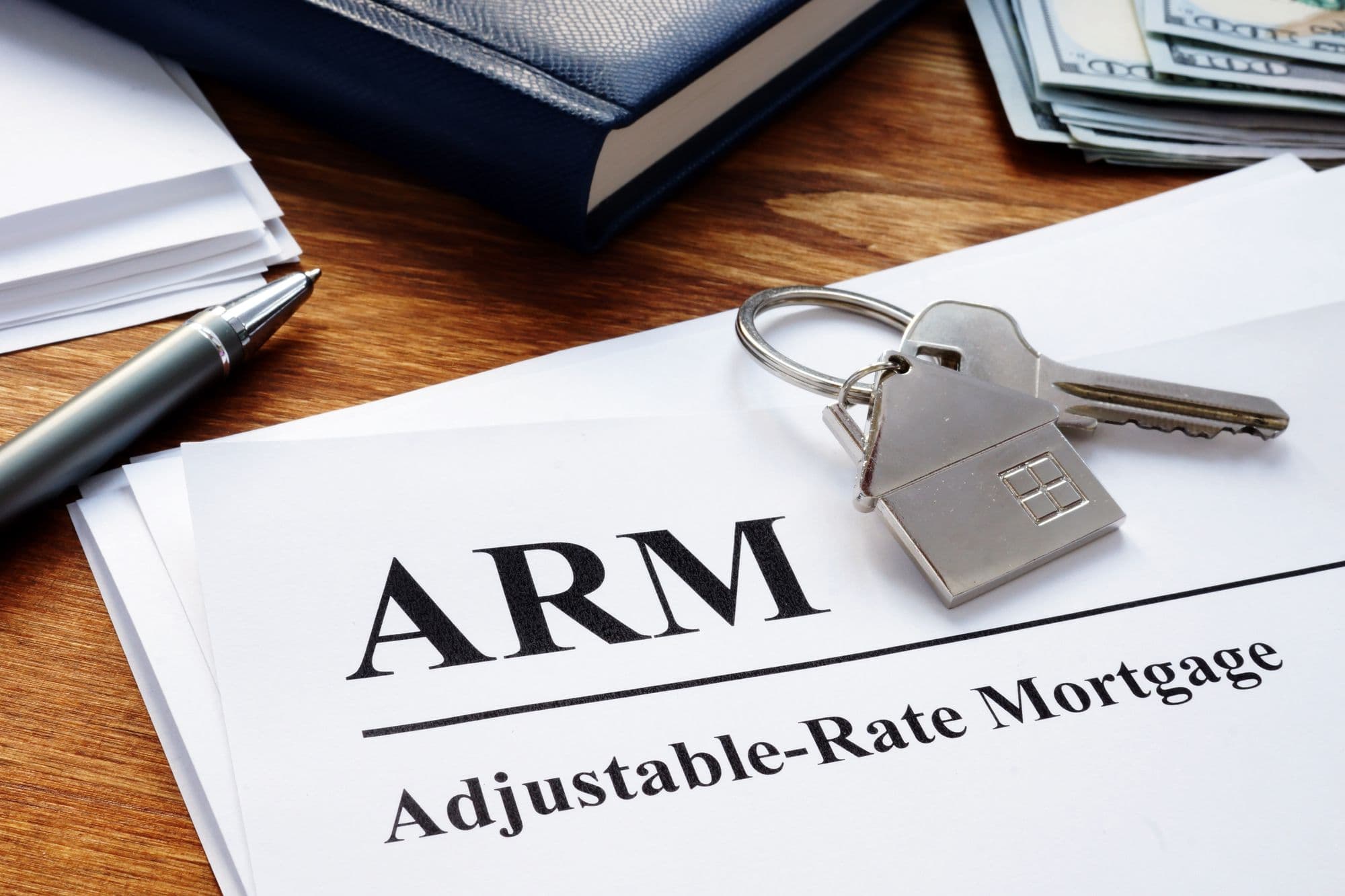
What Is an Adjustable-Rate Mortgage (ARM)?

Wondering if an ARM is right for you? Learn how adjustable-rate mortgages work, their pros and cons, and when they can save you money.

Profile Image
Vanessa Zimin
Jun 16·5 min read
What Is an Adjustable-Rate Mortgage (ARM)?

When you’re shopping for a home loan, you’ll likely come across two main types of mortgages: fixed-rate and adjustable-rate. While fixed-rate loans offer the stability of the same interest rate over the life of the loan, adjustable-rate mortgages (ARMs) work a little differently, and they can be a smart choice in the right situation.

If you're wondering whether an ARM is right for you, this guide will walk you through what an adjustable-rate mortgage is, how it works, and the pros and cons you should consider before signing on the dotted line.

What Is an Adjustable-Rate Mortgage?

An adjustable-rate mortgage, or ARM, is a type of home loan where the interest rate isn’t fixed. Instead, it starts with a lower introductory rate, often called a “teaser rate”, for a set period, typically 5, 7, or 10 years. After that, the interest rate can change periodically based on the performance of a specific market index.

In other words, your monthly mortgage payment could go up or down over time depending on interest rate trends.

How Does an ARM Work?

ARMs follow a simple structure, but it's important to understand the moving parts. Here's a breakdown of how they work:

1. Initial Fixed Period

During this period, usually the first 3, 5, 7, or 10 years, your interest rate stays the same. This fixed period is why you'll often see terms like “5/1 ARM” or “7/1 ARM.” In a 5/1 ARM, for example, your rate is fixed for five years, and then it adjusts every year after that.

2. Adjustment Period

After the initial period ends, your interest rate adjusts annually (in most cases). These changes are tied to a benchmark index, like the SOFR (Secured Overnight Financing Rate) or U.S. Treasury rate, plus a lender-set margin.

For example:

  • Index: 3.5%
  • Margin: 2%
  • New Interest Rate: 5.5%

3. Caps and Limits

Lenders place caps on how much your rate can increase:

  • Initial Adjustment Cap: Limits how much the rate can increase the first time it adjusts.
  • Periodic Adjustment Cap: Limits how much it can change at each adjustment.
  • Lifetime Cap: Limits how much the interest rate can rise over the life of the loan.

These caps are essential protections for borrowers.

Explore Our Mortgage Calculators

🏠

Mortgage Calculator

Easily calculate your mortgage payments with our quick and intuitive tool.

🔑

FHA Loan Calculator

Learn about FHA loans and how they can help you purchase your dream home.

🎖️

VA Loan Calculator

Explore VA loan benefits designed specifically for veterans and active-duty military.

Pros & Cons of an Adjustable-Rate Mortgage

✅ Pros
⚠️ Cons
  • ✔️
    Lower Initial Interest Rate
    ARMs typically offer a lower starting rate than fixed-rate mortgages. This can lead to lower initial monthly payments and potential savings during the early years of the loan.
  • ✔️
    Ideal for Short-Term Homeowners
    If you plan to move or refinance before the rate adjusts, you could benefit from the lower initial cost without facing rate hikes.
  • ✔️
    More Buying Power
    Lower early payments might help you qualify for a more expensive home or free up money for other financial goals.
  • ❌
    Rate Uncertainty
    Once the fixed period ends, your interest rate and monthly payment could go up, sometimes significantly.
  • ❌
    Complexity
    ARMs come with more fine print than fixed-rate loans, including terms, indexes, margins, and caps that can be confusing for first-time buyers.
  • ❌
    Risk in a Rising Rate Environment
    If interest rates go up across the market, so will your monthly payment. This can lead to “payment shock” if you’re not prepared.

When an Adjustable-Rate Mortgage Might Make Sense

An ARM might be a smart option if:

  • You plan to move within a few years.
  • You expect your income to increase in the near future.
  • You want to save money upfront and can handle future adjustments.
  • You’re planning to pay off your loan early or refinance before the fixed-rate period ends.

On the other hand, if you value predictability or plan to stay in your home long-term, a fixed-rate mortgage might be the better choice.

Adjustable Rate Mortgage vs. Fixed Rate Mortgage

ARM vs Fixed Rate Mortgage Comparison
Feature Adjustable Rate Mortgage Fixed Rate Mortgage
Initial Interest Rate Lower Higher
Rate Changes Over Time Yes, after intro period No
Payment Predictability Less predictable Highly predictable
Best For Short-term homeowners Long-term homeowners

Final Thoughts

An adjustable-rate mortgage can offer lower initial costs and flexibility, but it comes with the risk of fluctuating payments. Whether it’s right for you depends on your financial goals, how long you plan to stay in the home, and your comfort level with future rate changes.

Before committing to an ARM, take the time to read the fine print, ask your lender questions, and consider speaking with a financial advisor. A mortgage is one of the biggest financial commitments you’ll make; choosing the right type matters.

FAQs About Adjustable Rate Mortgages

1. What happens when the ARM rate adjusts?

After the initial fixed period, your rate will adjust periodically (usually annually). The new rate is based on the current market index plus your loan’s margin.

2. Can my monthly payment go down?

Yes, if interest rates drop and your ARM is structured with downward adjustments, your payment could decrease. However, many ARMs adjust upward more frequently.

3. How do I know how high my rate can go?

Your loan terms will include a lifetime cap, which sets the maximum interest rate you’ll ever pay. Make sure to review this before signing your loan agreement.

4. Is an ARM good for first-time homebuyers?

It can be, but only if you understand the risks and plan to sell or refinance before the rate adjusts. If you prefer payment stability, a fixed-rate loan may be safer.

5. Can I refinance an ARM into a fixed-rate mortgage?

Yes, many homeowners refinance their ARM into a fixed-rate mortgage before the adjustable period begins, especially if interest rates are expected to rise.




Get Pre-Approved

Read More

What Is a DSCR Loan?
Home Loan Types

What Is a DSCR Loan?

A DSCR loan allows real estate investors to qualify based on rental income, rather than personal income. Here's how it works and why it's worth considering.

Vanessa ZiminAug 6 • 9 min read
How Do Home Equity Loans Work and How Do You Get One in 2025?
Home Loan Types

How Do Home Equity Loans Work and How Do You Get One in 2025?

Wondering how home equity loans work? Learn how to tap into your home’s value in 2025, what’s required, and how to get the money you need.

Vanessa ZiminAug 5 • 10 min read
What Is a 5/1 ARM Loan?
Home Loan Types

What Is a 5/1 ARM Loan?

What is a 5/1 ARM loan? Learn how it works, pros and cons, requirements, examples, and whether this adjustable-rate mortgage is right for you.

Vanessa ZiminJul 19 • 12 min read
Top 5 VA Home Loan Benefits
Home Loan Types

Top 5 VA Home Loan Benefits

Learn the top VA home loan benefits, including no down payment, no PMI, flexible credit guidelines, and low interest rates for eligible buyers.

Vanessa ZiminOct 23 • 8 min read
Variable vs Fixed Rate Mortgage: Which One Makes Better Sense For You?
Home Loan Types

Variable vs Fixed Rate Mortgage: Which One Makes Better Sense For You?

Compare variable rate vs fixed rate mortgages. Learn which loan type is better for your budget, timeline, and interest rate goals in this clear guide.

Vanessa ZiminJul 8 • 8 min read

Today's Average Rates

TIP • Click a rate to use it on the appropriate calculator. We round it to the nearest eighth.

30 Year Fixed Conforming6.228%30 Year Fixed Jumbo6.468%FHA 30 years fixed5.586%VA 30 years fixed5.637%USDA 30 Year Fixed5.555%View More Rates