 Vanessa Zimin8 min read
Variable vs Fixed Rate Mortgage: Which One Makes Better Sense For You?
Compare variable rate vs fixed rate mortgages. Learn which loan type is better for your budget, timeline, and interest rate goals in this clear guide.

Let’s be honest, mortgages can be overwhelming. You find a home you love, get pre-approved, and then your lender asks the question: “Do you want a variable or fixed rate mortgage?”
And suddenly, it feels like you’re expected to become a financial expert overnight.
If that’s you, don’t worry, you’re in the right place. We’re going to break down the difference between a fixed rate mortgage and a variable rate mortgage in real, plain-English terms. No jargon. No fluff. Just the stuff you actually need to know to make the right choice for your life and budget.
What Is a Fixed Rate Mortgage?
A fixed rate mortgage means your interest rate stays the same for the entire life of the loan. Whether it’s a 15-year, 20-year, or 30-year mortgage, your monthly payment (at least the principal and interest portion) never changes.
This is the most common type of home loan, and for good reason.
>> Read More: Top 3 Most Common Mortgage Loans: Which One Is Best?
Why people choose it:
- Your monthly payment stays the same year after year
- Easier to budget long-term
- You’re protected if interest rates go up
If you like predictability and want a long-term plan you can count on, a fixed rate mortgage is a solid, reliable option.
What Is a Variable Rate Mortgage?
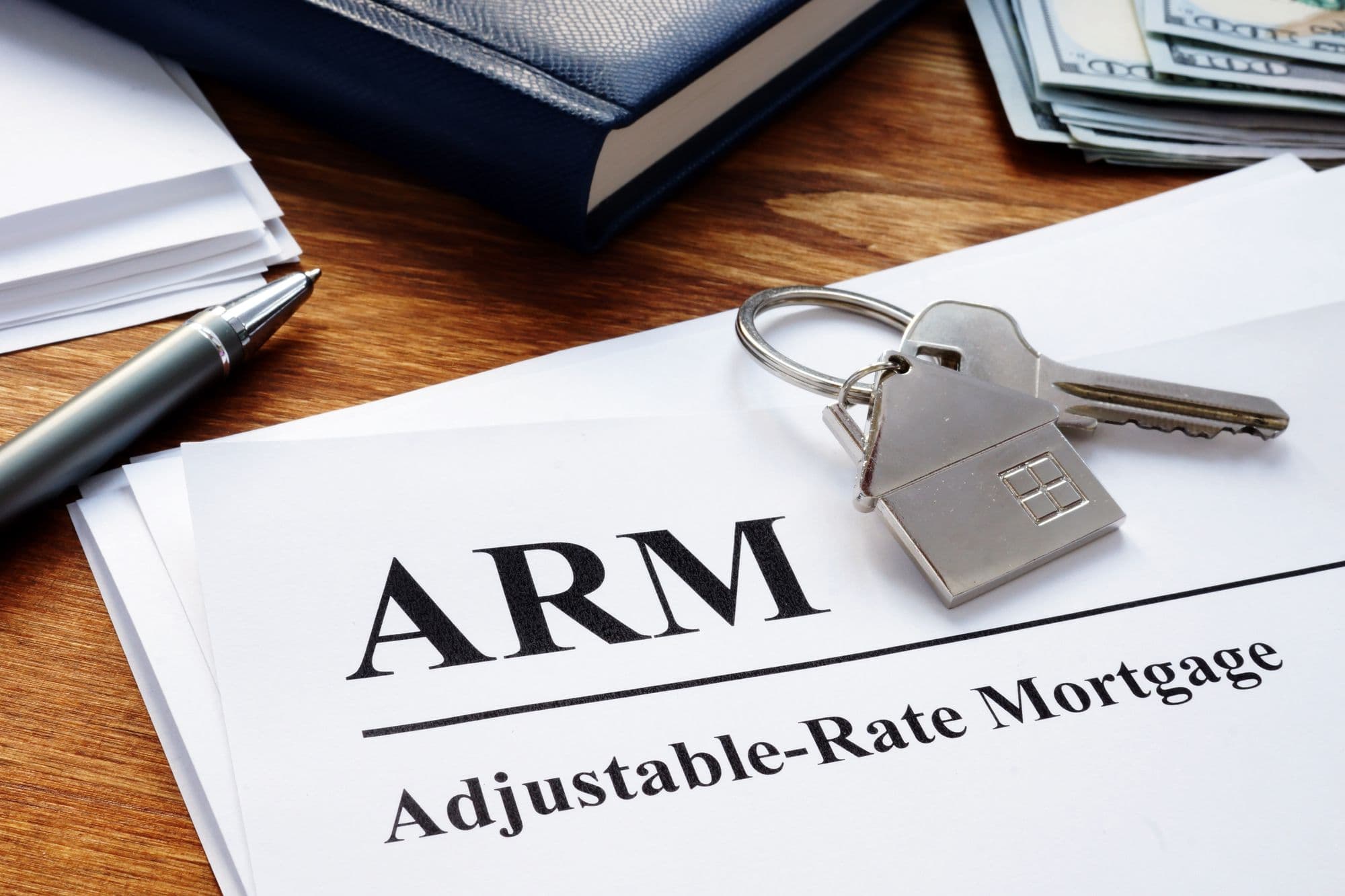
A variable rate mortgage, often called an ARM or adjustable-rate mortgage, works a little differently. It starts off with a lower interest rate that’s fixed for a set number of years (typically 5, 7, or 10), and then the rate can change periodically based on the market.
This means your monthly payment might go up or down after the intro period ends.
Why it appeals to some buyers:
- You’ll likely pay less during the initial fixed period
- If you’re not planning to stay in the home long-term, it can save money
- You could benefit if interest rates go down in the future
Of course, there’s a flip side: if rates rise, your payment could jump, sometimes significantly.
Fixed vs Variable Mortgage
| Feature | Fixed Rate Mortgage | Variable Rate Mortgage |
|---|---|---|
| Interest Rate | Stays the same | Changes after intro period |
| Monthly Payment | Predictable | Can go up or down |
| Best For | Long-term homeowners | Short-term or flexible buyers |
| Budgeting | Simple and consistent | May require more planning |
| Risk Level | Low | Higher |
Pros and Cons of a Fixed Rate Mortgage
Pros and Cons of a Variable Rate Mortgage
How to Choose What’s Right for You
This really comes down to a few key questions:
How long do you plan to stay in the home?
If you’re buying a home you plan to live in for 10+ years, a fixed rate mortgage makes sense. You’ll lock in a stable payment and won’t have to worry about rate increases.
But if you’re buying a starter home or plan to move in a few years, the lower upfront costs of a variable mortgage could be worth it.
How comfortable are you with financial uncertainty?
Some people are okay rolling the dice. Others prefer peace of mind. If you like knowing exactly what you’ll owe each month, stick with fixed. If you’re okay taking on some risk in exchange for short-term savings, variable might be fine.
What are interest rates doing right now?
If rates are already low, it’s usually smart to lock in a fixed rate and enjoy the stability. But if rates are high and expected to come down, you might want to take advantage of a variable rate’s lower intro period.
Final Thoughts
If you want long-term stability, predictable payments, and less financial stress, a fixed rate mortgage is probably your best option. It’s dependable and straightforward, and once you're locked in, you never have to worry about your rate going up.
On the other hand, if you’re only planning to stay in your home for a few years, or you’re comfortable with a little risk, then a variable mortgage could help you save money in the short term.
There’s no right or wrong answer here. It all depends on your goals, your financial situation, and how much risk you're willing to take on. The most important thing is to fully understand the trade-offs so you can make the choice that’s best for you. Make sure to compare rates and talk to multiple lenders. This step is crucial if you want to save yourself headaches in the long run.
Explore Our Mortgage Calculators
Mortgage Calculator
Easily calculate your mortgage payments with our quick and intuitive tool.
FHA Loan Calculator
Learn about FHA loans and how they can help you purchase your dream home.
VA Loan Calculator
Explore VA loan benefits designed specifically for veterans and active-duty military.
FAQs About Variable vs Fixed Rate Mortgage
1. Is a fixed rate mortgage better than a variable rate?
It depends on your situation. A fixed rate mortgage offers stability and predictability, which is great if you're planning to stay in your home long-term or want a consistent monthly payment. A variable rate mortgage can be better if you’re only staying for a few years and want to take advantage of lower introductory rates, but there’s more risk involved.
2. Do fixed rate mortgages ever change?
No, the interest rate on a fixed rate mortgage stays the same for the entire loan term. However, your total monthly payment might change slightly if your property taxes or homeowners insurance go up, especially if those are included in your escrow account.
3. Why is the fixed rate higher than the variable rate?
Fixed rate mortgages usually come with higher initial rates because you're paying for long-term security. Lenders take on more risk by locking in a rate for 15 or 30 years, so they charge a bit more upfront. Variable rates start lower because you're sharing some of that future risk with the lender.
4. When does a variable mortgage rate adjust?
Most variable rate mortgages come with an introductory fixed period, usually 5, 7, or 10 years. After that, the rate adjusts annually based on a financial index (like the SOFR or Treasury rate) plus a margin set by your lender. Your loan paperwork will spell out when and how often it can adjust.
5. Can I switch from a variable to a fixed rate mortgage later?
Yes, many homeowners refinance their adjustable-rate mortgages into fixed rate loans, especially if interest rates are rising or if they plan to stay in the home longer than expected. Just make sure to factor in closing costs and compare the new rate to your current one to see if it’s worth it.