How Much Does it Cost to Build a House in 2025?
How much does it cost to build a house? Prices range from $150K to $500K+, depending on location, materials, and design. Get a full cost breakdown here!

Building a house is a dream for many, but it can also come with a lot of questions—the most common being: "How much does it cost to build a house?"
The truth is, there’s no one-size-fits-all answer. The cost can vary widely depending on where you live, the size of the home, the materials you choose, and the design you envision. However, understanding the key factors that influence the total price and getting an accurate estimate upfront is crucial for making informed decisions.
Whether you’re looking to build a cozy starter home or a luxurious custom estate, this guide will break down the costs involved so you can plan accordingly and avoid any costly surprises along the way.
Key Factors That Affect the Cost of Building a House
The cost to build a house isn't a one-size-fits-all number. Several factors influence how much you’ll spend, and understanding these variables is key to keeping your project on track.
1. Location
Your location is one of the biggest factors in the cost of building a house. Urban areas and highly desirable locations often come with higher land and labor costs. On average, land in more rural areas can cost anywhere from $3,000 to $50,000 per acre, whereas in highly urbanized or coastal regions, this could jump to $100,000 or more per acre.
2. Size of the Home
The size of your home is a significant contributor to the overall cost. While a smaller home may run a lower price tag, larger complex designs will be a bit on the pricier side. You also need to consider the added cost of climate control systems for the space available. For example:
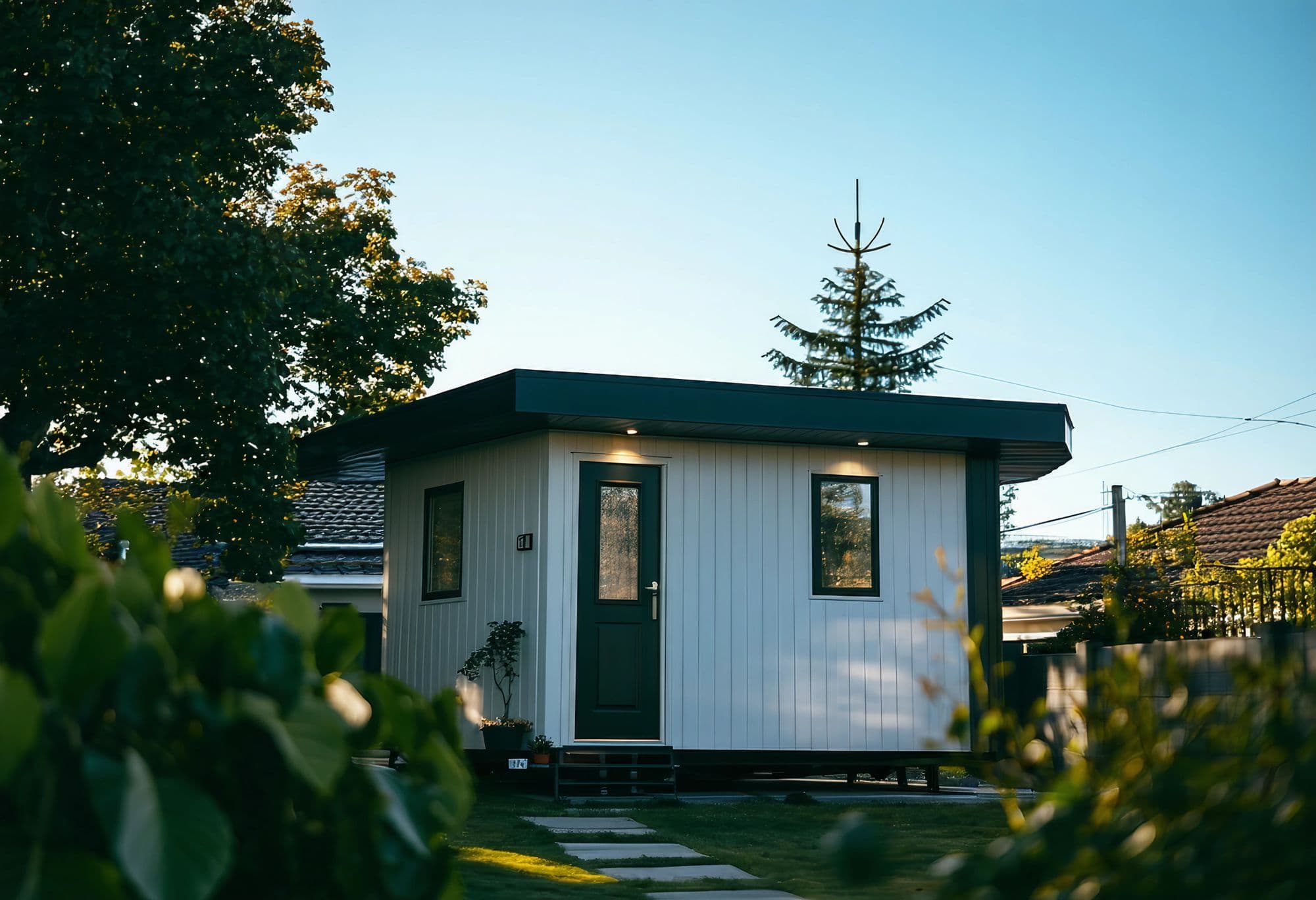
- Small Home (1,000–1,500 sq. ft.): Expect costs to range from $150,000 to $300,000.
- Medium Home (1,500–2,500 sq. ft.): These typically cost between $300,000 and $500,000.
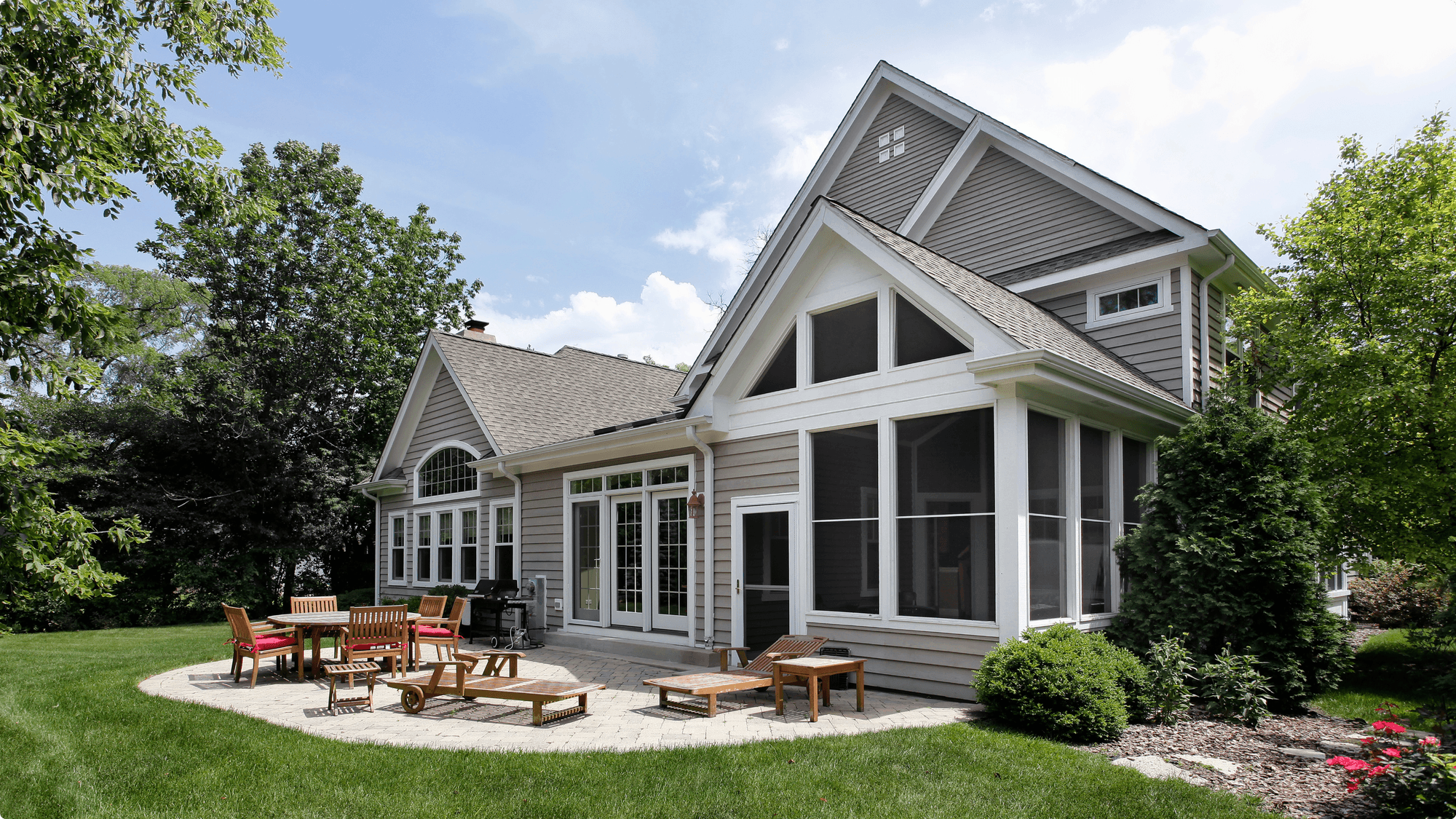
- Large Home (2,500+ sq. ft.): Larger homes can easily exceed $500,000, with custom designs reaching $750,000 to $1,000,000 or more, depending on finishes and materials.
3. Materials
The materials you choose will dramatically influence the cost of building a house. Higher-end finishes like marble countertops, hardwood flooring, or custom windows can add significantly to the final price. On average, the cost of materials could range from $50,000 to $150,000 for a standard-sized home. If you're opting for luxury materials, the cost can go up to $200,000+.
4. Design and Layout
A custom home design will almost always cost more than a standard layout. The complexity of the home, including features like vaulted ceilings, custom cabinetry, and large glass windows, can push costs higher. Expect to pay an additional $50,000 to $200,000 for complex designs, depending on your preferences.
5. Labor Costs
Labor costs vary by region, but they typically account for about 30% to 40% of the total cost of building a home. For a typical 2,000 sq. ft. home, this could mean spending anywhere from $50,000 to $150,000 or more on labor, depending on the level of expertise required and the local wage rates.
Average Cost of Building a House in 2025
On average, the total cost to build a home in 2025 typically falls within a range of $250,000 to $500,000, depending on size and location. Below is a general breakdown of what you might expect to pay:
- Low-End Construction: For a basic home with standard finishes, the cost per square foot ranges from $100 to $150, totaling $150,000 to $300,000 for a 1,500 sq. ft. house.
- Mid-Range Construction: A more customized design with mid-range materials typically costs $150 to $200 per sq. ft., which could range from $300,000 to $500,000 for a 2,000 sq. ft. home.
- High-End Construction: Luxury homes with premium finishes and custom designs can cost $200 to $500+ per sq. ft., with total costs easily reaching $750,000 to $1,000,000+ for a 3,000 sq. ft. home.
Example Breakdown:
- Small Home (1,000–1,500 sq. ft.): $150,000 - $300,000
- Medium Home (1,500–2,500 sq. ft.): $300,000 - $500,000
- Large Home (2,500+ sq. ft.): $500,000+
Price Breakdown By State:
| State | Price Range (Per Sq. Ft.) | Total Cost Est. for 2,500 Sq. Ft. Home |
|---|---|---|
| Alabama | $120 - $200 | $300,000 - $500,000 |
| Alaska | $250 - $400 | $625,000 - $1,000,000 |
| Arizona | $130 - $210 | $325,000 - $525,000 |
| Arkansas | $110 - $180 | $275,000 - $450,000 |
| California | $250 - $450 | $625,000 - $1,125,000 |
| Colorado | $170 - $300 | $425,000 - $750,000 |
| Connecticut | $220 - $350 | $550,000 - $875,000 |
| Delaware | $180 - $300 | $450,000 - $750,000 |
| Florida | $150 - $250 | $375,000 - $625,000 |
| Georgia | $120 - $200 | $300,000 - $500,000 |
| Hawaii | $300 - $500 | $750,000 - $1,250,000 |
| Idaho | $130 - $220 | $325,000 - $550,000 |
| Illinois | $150 - $250 | $375,000 - $625,000 |
| Indiana | $130 - $210 | $325,000 - $525,000 |
| Iowa | $120 - $190 | $300,000 - $475,000 |
| Kansas | $120 - $200 | $300,000 - $500,000 |
| Kentucky | $130 - $210 | $325,000 - $525,000 |
| Louisiana | $130 - $210 | $325,000 - $525,000 |
| Maine | $200 - $350 | $500,000 - $875,000 |
| Maryland | $220 - $350 | $550,000 - $875,000 |
| Massachusetts | $250 - $400 | $625,000 - $1,000,000 |
| Michigan | $130 - $220 | $325,000 - $550,000 |
| Minnesota | $150 - $250 | $375,000 - $625,000 |
| Mississippi | $110 - $180 | $275,000 - $450,000 |
| Missouri | $120 - $200 | $300,000 - $500,000 |
| Montana | $140 - $240 | $350,000 - $600,000 |
| Nebraska | $130 - $210 | $325,000 - $525,000 |
| Nevada | $150 - $250 | $375,000 - $625,000 |
| New Hampshire | $200 - $350 | $500,000 - $875,000 |
| New Jersey | $220 - $350 | $550,000 - $875,000 |
| New Mexico | $130 - $220 | $325,000 - $550,000 |
| New York | $200 - $350 | $500,000 - $875,000 |
| North Carolina | $130 - $210 | $325,000 - $525,000 |
| North Dakota | $120 - $200 | $300,000 - $500,000 |
| Ohio | $120 - $200 | $300,000 - $500,000 |
| Oklahoma | $120 - $190 | $300,000 - $475,000 |
| Oregon | $180 - $300 | $450,000 - $750,000 |
| Pennsylvania | $150 - $250 | $375,000 - $625,000 |
| Rhode Island | $220 - $350 | $550,000 - $875,000 |
| South Carolina | $130 - $210 | $325,000 - $525,000 |
| South Dakota | $120 - $190 | $300,000 - $475,000 |
| Tennessee | $130 - $210 | $325,000 - $525,000 |
| Texas | $125 - $200 | $312,500 - $500,000 |
| Utah | $150 - $250 | $375,000 - $625,000 |
| Vermont | $200 - $350 | $500,000 - $875,000 |
| Virginia | $180 - $300 | $450,000 - $750,000 |
| Washington | $180 - $300 | $450,000 - $750,000 |
| West Virginia | $130 - $210 | $325,000 - $525,000 |
| Wisconsin | $130 - $210 | $325,000 - $525,000 |
| Wyoming | $150 - $250 | $375,000 - $625,000 |
Explore Our Mortgage Calculators
Mortgage Calculator
Easily calculate your mortgage payments with our quick and intuitive tool.
FHA Loan Calculator
Learn about FHA loans and how they can help you purchase your dream home.
VA Loan Calculator
Explore VA loan benefits designed specifically for veterans and active-duty military.
Additional Costs to Consider
When building a home, there are several additional costs that you need to plan for:
- Land: If you don’t already own land, the cost of purchasing property can be significant. Prices vary, but expect to pay anywhere from $3,000 to $100,000+ per acre, depending on location.
- Permits and Fees: Building permits, zoning approvals, and inspections are necessary and usually cost between $1,000 and $5,000, depending on the complexity of the project and local regulations.
- Utilities: Connecting your home to utilities (water, gas, electricity, and sewage) could cost between $10,000 and $30,000, depending on the distance to the nearest utility lines.
- Interior Features: Appliances, lighting, flooring, and furniture can add anywhere from $20,000 to $100,000 or more, depending on your preferences.
Financing Options for New Build Homes
Building a house requires a significant financial investment—as you can imagine. Here are some financing options to consider:
- Construction Loan: These short-term loans typically cover the cost of building, and once the house is complete, the loan converts to a mortgage. Construction loans usually have higher interest rates, ranging from 4% to 6%.
- Home Equity Loan: If you own an existing home with significant equity, a home equity loan (HELOC) may help cover construction costs. Rates typically range from 5% to 8%.
- Personal Loan: For smaller projects, some homeowners use personal loans, which typically come with interest rates ranging from 6% to 36%.
Tips for Reducing Building Costs
While building a home can be extremely costly, there are definitely a few ways to reduce expenses without compromising on overall quality:
- Opt for a Simple Design: A simple, rectangular design can save you thousands. Avoiding custom features or intricate rooflines can lower costs by as much as $50,000 to $100,000!
- Use Affordable Materials: Laminate countertops, vinyl flooring, and stock cabinetry can reduce material costs by 20% to 30% compared to high-end options.
- Get Multiple Quotes: Always get quotes from multiple contractors. The difference in labor and material costs can add up to 10% to 20%, sometimes even more in savings.
Final Thoughts: Is Building a House Worth It?
Our short and simple answer is yes, absolutely. Building a home may seem like a big financial commitment, but it’s also an incredibly rewarding journey. The joy of creating a space that’s perfectly tailored to your needs and dreams is something few experiences can match. Whether your budget is $150,000 or $1,000,000, the key to success is careful planning and a solid understanding of the costs involved. With the right approach, you’ll be able to make smart choices that keep your project on track and within budget. Remember, the cost of building a house can vary depending on several factors, so staying flexible and informed will help you navigate the process smoothly.
If you’re ready to take the leap, your dream home could be closer than you think—and with the right preparation, it’s absolutely within your reach. But if after reading this article, you feel like building a home isn't the best choice for you, that's okay too! You can always explore the option of purchasing an existing home. Get approved today and start your journey!
FAQs
1. Is it cheaper to buy or build your own house?
Generally, buying a home is cheaper than building one, especially when you factor in the various costs involved in construction. On average, buying an existing home can cost significantly less than building a new one because you avoid expenses such as land purchase, construction labor, and long-term project management.
However, building a home offers the advantage of creating a space tailored to your exact needs, and with careful planning, you can sometimes control costs by opting for more affordable materials or a simpler design.
2. What is the cheapest way to build a house?
Building a smaller, simpler home with standard materials and a basic design is the most affordable route. You can expect to pay between $150,000 and $300,000 for a 1,500 sq. ft. home with these choices.
3. Can I build a house for $100,000?
Building a home for $100,000 is possible, but it’s generally only feasible in rural areas with a smaller design. Costs will typically range between $150,000 to $200,000 for basic homes in less expensive locations.
4. How long does it take to build a house?
The average timeline to build a house is between 6 to 12 months, depending on factors like design complexity and weather conditions. There are circumstances (e.g. permits) that can greatly prolong this timeline.