Loan-to-Value (LTV) Ratio: What It Is and How to Calculate It
Learn what LTV means, how to calculate it, and why it matters for mortgages, refinancing, and home equity loans. Lower LTV = better loan terms.

If you're applying for a mortgage, car loan, or even a home equity loan, you've probably heard the term LTV tossed around. But what exactly is the loan-to-value (LTV) ratio, and why does it matter so much?
In simple terms, your LTV ratio is one of the key factors lenders use to determine how risky it is to lend you money. A high LTV could mean a higher interest rate, or even a loan denial. A lower LTV, on the other hand, can open the door to better rates and terms.
Let’s break it down in a way that actually makes sense.
What Is LTV?
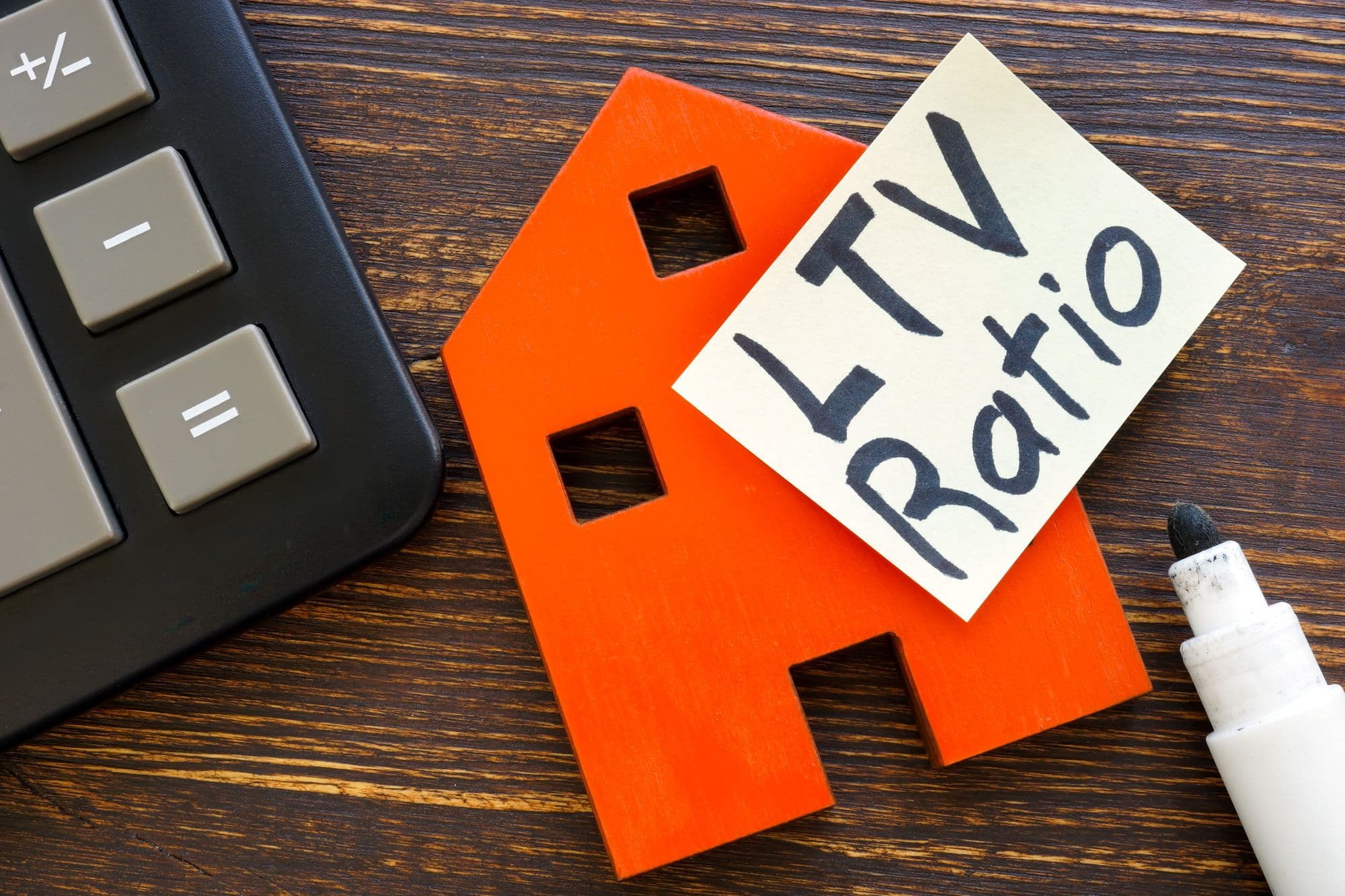
LTV stands for Loan-to-Value ratio. It’s a number that compares the size of a loan to the value of the asset you're buying, most commonly a home. It’s expressed as a percentage and tells lenders how much of the property’s value is being financed by the loan.
How to Calculate Your Loan-to-Value (LTV) Ratio
Calculating your loan-to-value ratio is quite simple. You will need to begin by subtracting your down payment from your home's current appraised value. You will then take that number and multiply it by 100.
LTV Formula:
LTV = ( Loan Amount / Appraised Property Value ) x 100
Example: So if you’re buying a house worth $300,000 and you borrow $240,000, your LTV is: ( 240,000 / 300,000 ) x 100 = 80%
Why Does LTV Matter?
Lenders use the LTV ratio to assess risk. The higher your LTV, the riskier the loan is in the eyes of the lender. That’s because you’re putting down less money upfront, meaning the lender is funding more of the purchase, and absorbing more risk if you default.
Here’s how LTV plays into your loan terms:
- Higher LTV (above 80%): May result in higher interest rates and require mortgage insurance (like PMI for conventional loans).
- Lower LTV (80% or below): Often leads to better rates, fewer fees, and no private mortgage insurance.
What’s a Good LTV?
While the “ideal” LTV varies depending on the type of loan, here are some general benchmarks:
- Conventional Loans: Aim for an LTV of 80% or less to avoid PMI.
- FHA Loans: Can go up to 96.5% (with mortgage insurance).
- VA Loans: Allow up to 100% LTV for qualified borrowers; no down payment required.
- Home Equity Loans/HELOCs: Lenders typically look for a combined LTV of 85% or less.
Tips for How to Lower Your LTV
If your LTV is too high, don’t panic. You have a few ways to bring it down:
- Make a Bigger Down Payment: The more money you put down, the lower your loan amount, and therefore, your LTV.
- Choose a Less Expensive Home: If you’re stretching your budget, consider lowering your price range. A smaller loan relative to the property value will improve your LTV.
- Wait and Save More: Sometimes it’s better to wait a few more months, or even a year, to build a larger down payment.
- Let Property Values Work in Your Favor: Over time, if home values rise, your LTV can decrease, even if you don’t pay extra. Refinancing later may let you ditch PMI or qualify for a lower rate.
The Difference Between LTV vs. CLTV
You might also hear the term CLTV, which stands for Combined Loan-to-Value. This comes into play when you have more than one loan on the property (like a primary mortgage and a HELOC).
While LTV only considers the first loan, CLTV includes all outstanding balances tied to the property.
Final Thoughts
Knowing your LTV gives you more control over your financial options. Whether you're buying your first home, refinancing, or tapping into your home equity, understanding your LTV ratio helps you make smarter, more confident decisions.
The takeaway? The lower your LTV, the better your chances at a lower rate, fewer fees, and better overall loan terms.
So next time a lender brings up LTV, you’ll know exactly what they’re talking about and how to use it to your advantage.
Explore Our Mortgage Calculators
Mortgage Calculator
Easily calculate your mortgage payments with our quick and intuitive tool.
FHA Loan Calculator
Learn about FHA loans and how they can help you purchase your dream home.
VA Loan Calculator
Explore VA loan benefits designed specifically for veterans and active-duty military.
FAQs About LTV
1. What is a good LTV ratio for a mortgage?
A good LTV ratio is typically 80% or lower. This means you're putting down at least 20% of the home's value. Staying at or below this threshold can help you avoid private mortgage insurance (PMI) and qualify for better loan terms.
2. Can I get a loan with a high LTV ratio?
Yes, you can still get approved with a high LTV ratio, but expect stricter lending requirements. For example, FHA loans allow LTVs up to 96.5%, and VA loans can go up to 100%. However, higher LTVs usually come with higher interest rates and mortgage insurance.
3. How does LTV affect my mortgage interest rate?
Lenders often charge higher interest rates on loans with higher LTV ratios. That’s because you’re borrowing more relative to the property’s value, which increases the lender’s risk. A lower LTV can help you lock in a lower rate.
4. Does refinancing change my LTV ratio?
Yes. When you refinance, your LTV is recalculated based on your current loan balance and the appraised value of your home. If your home's value has increased or you’ve paid down a significant portion of the loan, your LTV will likely improve.